Rice Husk vs. Sugarcane Bagasse: Which is Better for Your Disposable Tableware Business?

Rice Husk vs. Sugarcane Bagasse: Which is Better for Your Disposable Tableware Business?

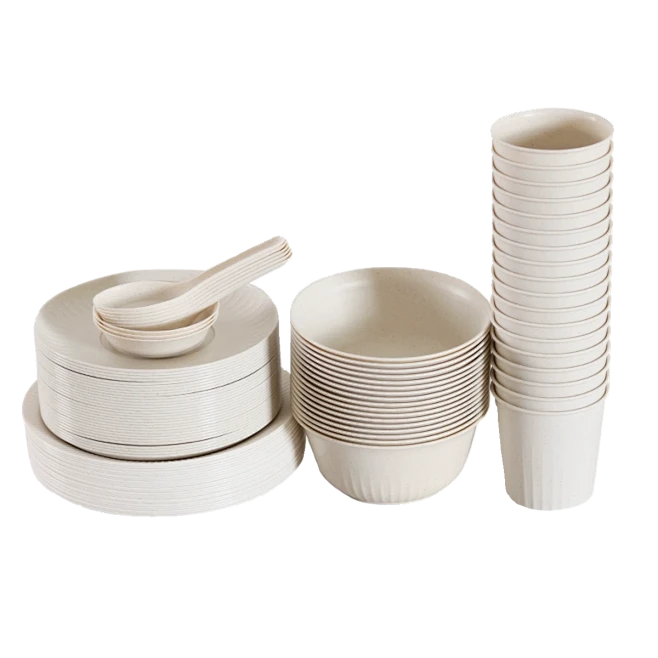
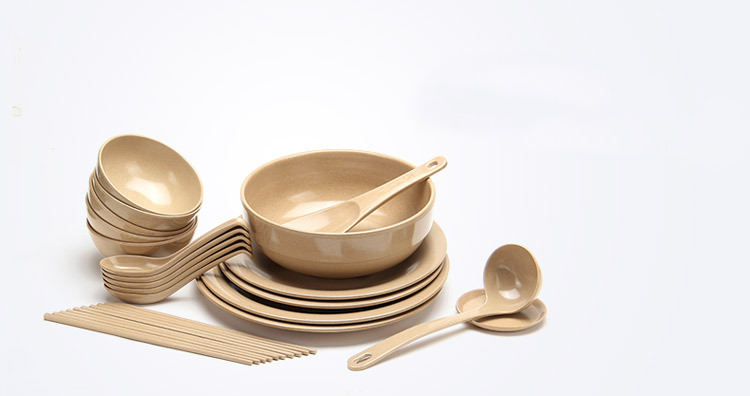
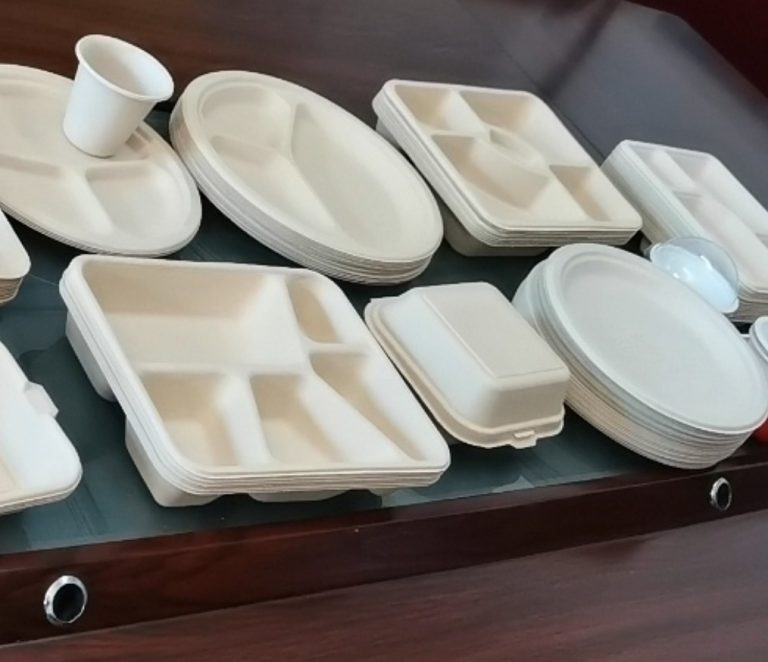
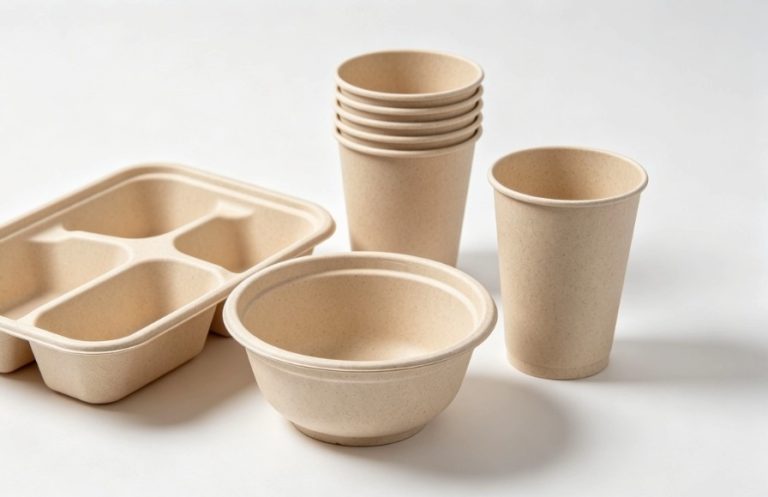
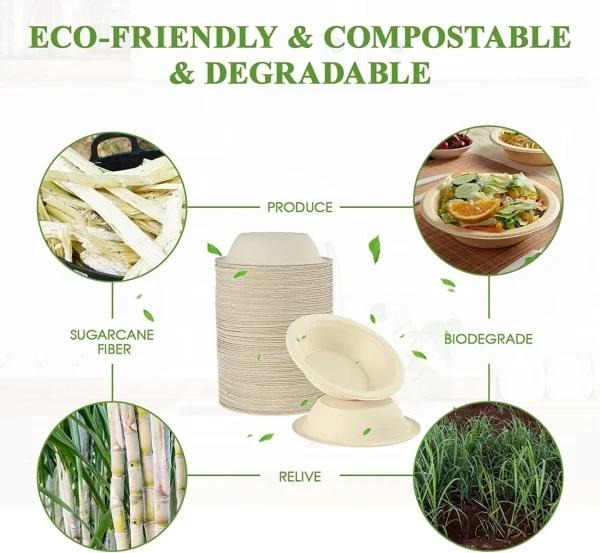
The most remarkable feature of the rice husk disposable tableware is its environmental friendliness. Rice husks are by-products of the rice processing process and are widely available and renewable. Using rice husks to make tableware not only realizes the high-value utilization of agricultural waste, reduces resource waste, but also effectively…

Is Your “Eco-Friendly” Tableware Really Plastic-Free? How to Identify 100% Rice Husk

Is Your “Eco-Friendly” Tableware Really Plastic-Free? How to Identify 100% Rice Husk

The material of the rice husk tableware is certainly not plastic! They are natural products formed by pressing rice hull fibers. The rice hulls are ground into powder, mixed with plant starch, and then subjected to high-temperature and high-pressure treatment. The lignin in it naturally adheres together, forming a sturdy bowl….

LFGB Certified Rice Husk Plates: What European Buyers Need to Know

Exporting LFGB-certified rice husk tableware to European buyers requires compliance with the strict food contact materials (FCM) regulations of the European Union as well as environmental protection standards. LFGB is the abbreviation of “Lebensmittel- und Futtermittelgesetzbuch” (Food and Feed Law). LFGB certification is a German food and household goods law…