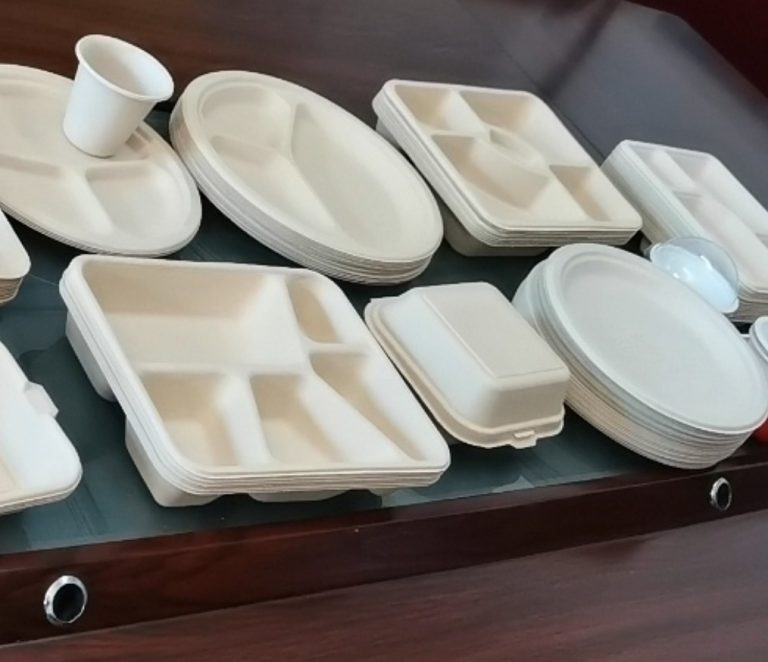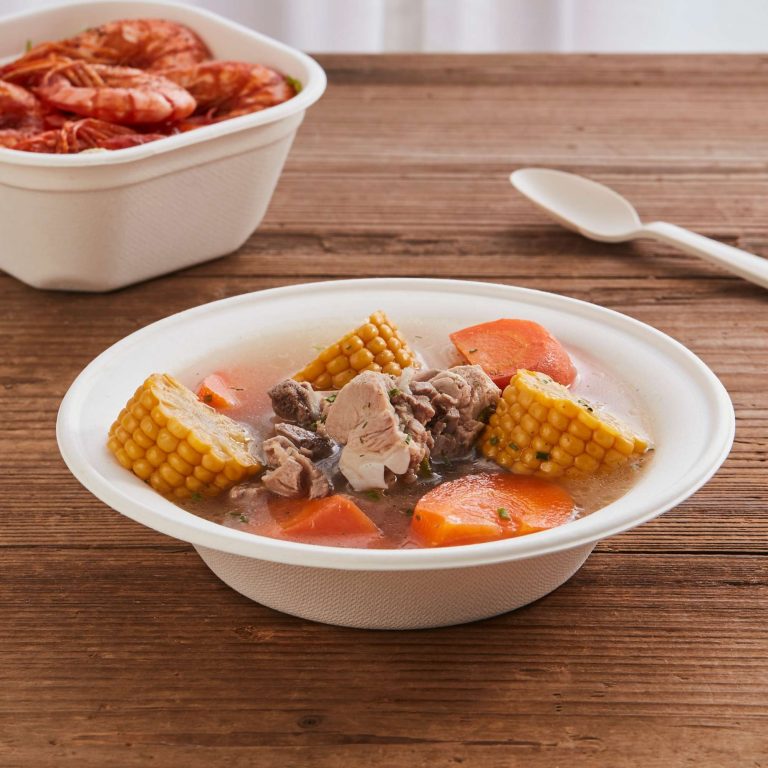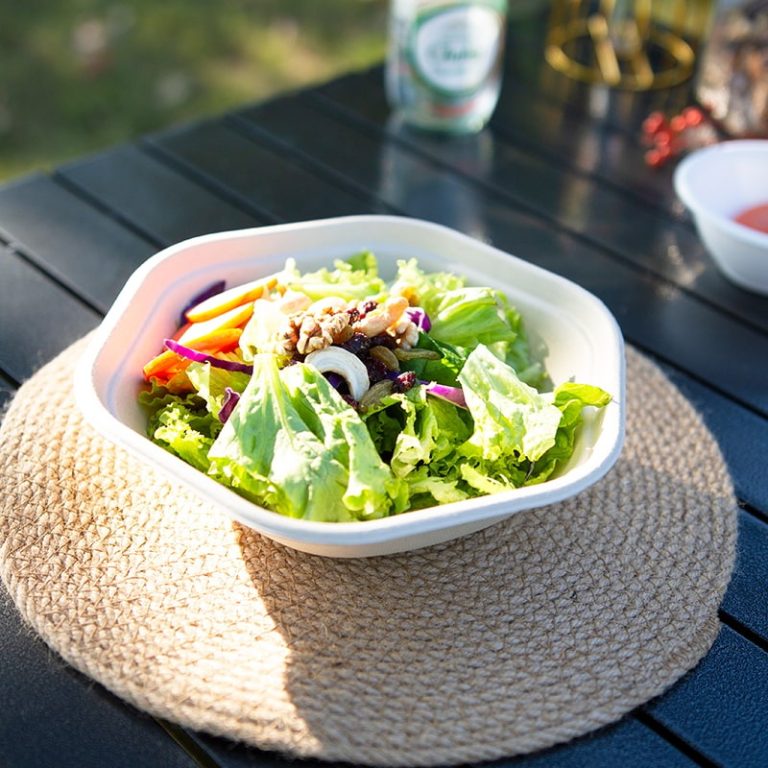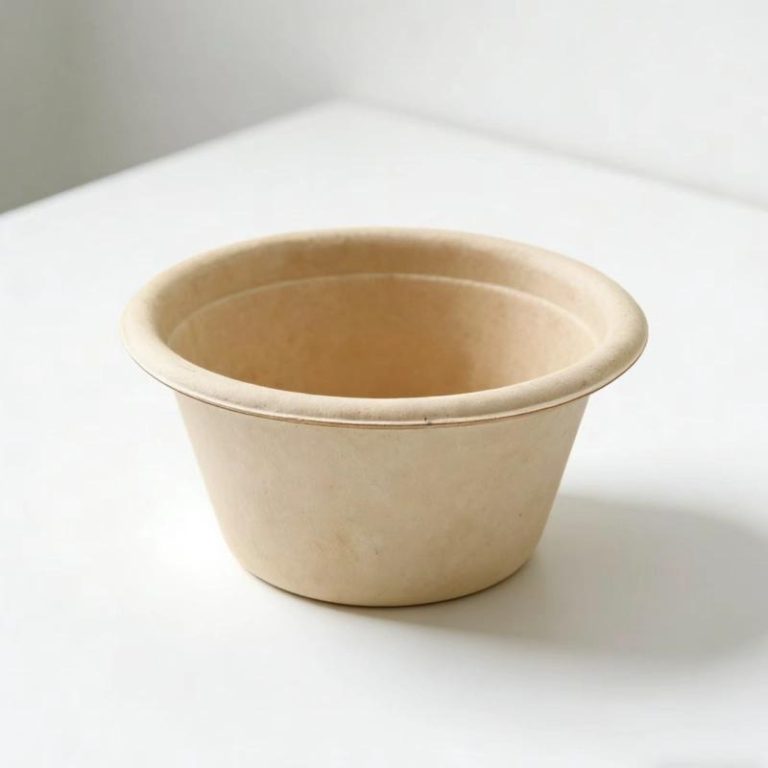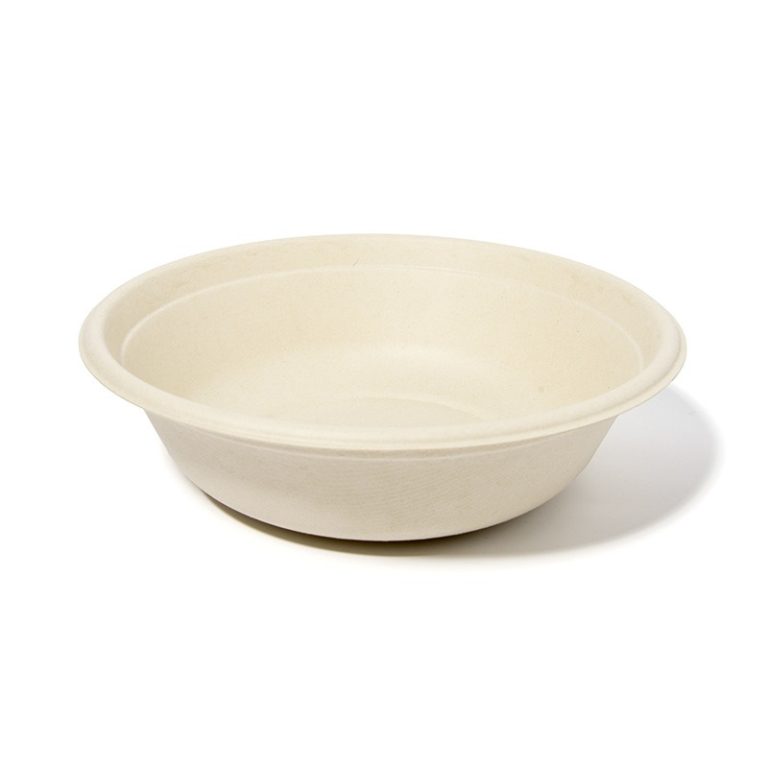
As an importer of rice husk tableware, before making a purchase, it is necessary to understand the situation of the supplier. Currently, there are too many fake rice husk tableware on the market. They are not 100% made of rice husk and contain unhealthy materials such as plastic. The inability of these rice husk tableware to decompose completely will also have an impact on the environment.
I.Qualification and Credit Verification
Firstly, verify the company’s business license and tax status to confirm the authenticity of the physical address. Secondly, check the company’s establishment date, main business scope, and whether it has had export experience of rice husk tableware. Verify the credit rating on B2B platforms (such as Alibaba), conduct a global search for negative reviews, and it is advisable to obtain feedback from several existing customers for background verification.
II. Product Compliance Certification
Product certification is an important inspection for importers. Rice husk tableware must meet the food contact grade standards of the destination country. For example, in the United States, it must comply with the FDA regulations; in Germany, it must meet the LFGB standards; in the European Union, it must adhere to the EC 1935/2004 framework. Additionally, it must be BPA-Free (without bisphenol A), and the raw materials and finished products must not contain toxic substances (such as in the REACH regulations). The factory must have certifications such as ISO 9001 (quality management system), ISO 14001 environmental management and social responsibility BSCI audits, with the certificate holder matching the factory. Check the compostability/biodegradability certification of the product. It would be best to obtain a test report. Also, pay attention to key indicators such as heavy metal migration, total migration, and formaldehyde release. Ensure that the imported products are safe and harmless.
III: Factory Inspection for Production and Supply Chain
Understand the production capacity of the rice husk dinnerware factory, the level of automation on the assembly line, the equipment, and whether the scale of the workers matches your requirements. Check if there is an independent quality inspection department, as well as documented incoming material inspection (IQC), process inspection (IPQC), and finished product inspection (FQC) procedures. Examine whether the factory has strict ultraviolet sterilization and dust-free packaging processes. Check if the factory area and warehouse are clean and dry (items should be kept away from walls and floors to prevent contamination), whether chemicals are stored separately, and whether the finished products are strictly distinguished. Review if there is clear production batch number management and product flow record (the basis of the recall system). Understand the factory’s ability to develop molds and customize products (such as customizing brand logos, etc.). Strictly control the production line and products to be safe, and complete the production under the premise of ensuring product quality.
IV. Transaction and Import Compliance
Clearly define liability clauses (such as how to handle quality discrepancies, standard for finished product damage rate, etc.), payment methods, and intellectual property ownership.
Confirm the supplier’s cooperation and capability in document preparation (providing conformity declaration (DOC), origin certificate, complete invoice and packing list, etc.) and logistics coordination. Focus on confirming whether the supplier has completed GACC registration and filing, and has prepared Chinese labels in accordance with national standards such as GB 4806.7, as well as safety inspection reports.
The market for biodegradable tableware made from rice husks is continuously expanding. However, a compliant, stable and reliable source factory is the foundation for long-term profitability for overseas importers. When selecting suppliers, it is not just about the price; instead, standardized audits are used to ensure food safety and environmental compliance as the two lifelines of the business.
The core checklist for importers should cover four aspects: authenticity of materials, compliance certifications, production capacity and quality control, and environmental social responsibility. Excellent suppliers should have the ability for sustainable development and be aware of the production waste and wastewater treatment measures of the factories, ensuring that they comply with green manufacturing standards. For importers seeking reliable manufacturers of rice husk tableware, they can further learn about the products through our website, please click here: rice husk tableware. We hope this is helpful to you.