
Sugarcane bagasse tableware LFGB / FDA 21CFR food contact safety certification – What do buyers in the European and American markets need to know?

Sugarcane bagasse tableware LFGB / FDA 21CFR food contact safety certification – What do buyers in the European and American markets need to know?

The LFGB and 21CFR only prove “food contact safety”. The fact that sugarcane tableware has obtained these certifications does not mean it is “degradable” or “environmentally compliant”. “Certification” ≠ “compostable”: The LFGB/FDA only ensure “whether it is safe to consume”, but do not consider “whether it degrades when thrown away”. LFGB (EU…

Say goodbye to “white pollution”. What’s behind the 90-day natural-returning sugarcane bagasse tableware?

Say goodbye to “white pollution”. What’s behind the 90-day natural-returning sugarcane bagasse tableware?

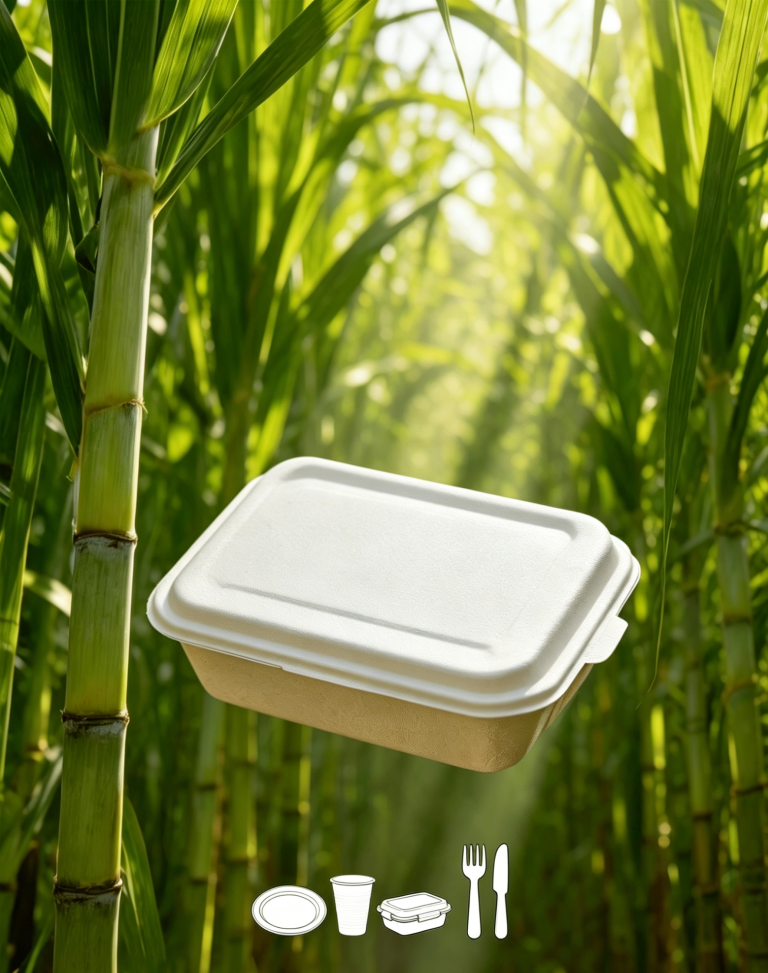
Say goodbye to “white pollution”. What’s behind the 90-day natural-returning sugarcane bagasse tableware? Have you ever wondered that the discarded sugarcane bagasse left after sugar extraction can actually be transformed into practical and environmentally friendly tableware? In the past, these large amounts of discarded sugarcane stalks were either burned or left…

The Ultimate Guide to Custom Rice Husk Tableware: Logo, Color, and Shape Options

The Ultimate Guide to Custom Rice Husk Tableware: Logo, Color, and Shape Options

With the growing popularity of green consumption, rice husk tableware has become the top choice for dining brands, outdoor camping, and family gatherings due to its natural, eco-friendly, biodegradable, and food-safe properties. Made from natural rice husk fibers and food-grade corn starch, this tableware is biodegradable, lightweight, durable, and odor-free,…

The True Story of Biodegradability: How Long Does It Take for Rice Husk Tableware to Decompose?

The True Story of Biodegradability: How Long Does It Take for Rice Husk Tableware to Decompose?

The biodegradability time of rice husk dinnerware is not fixed and depends on specific product manufacturing processes and degradation conditions, being highly dependent on environmental factors. Under industrial composting conditions, it typically takes 90 days to 6 months, while in natural soil or conventional landfill environments, it may require 6 months…