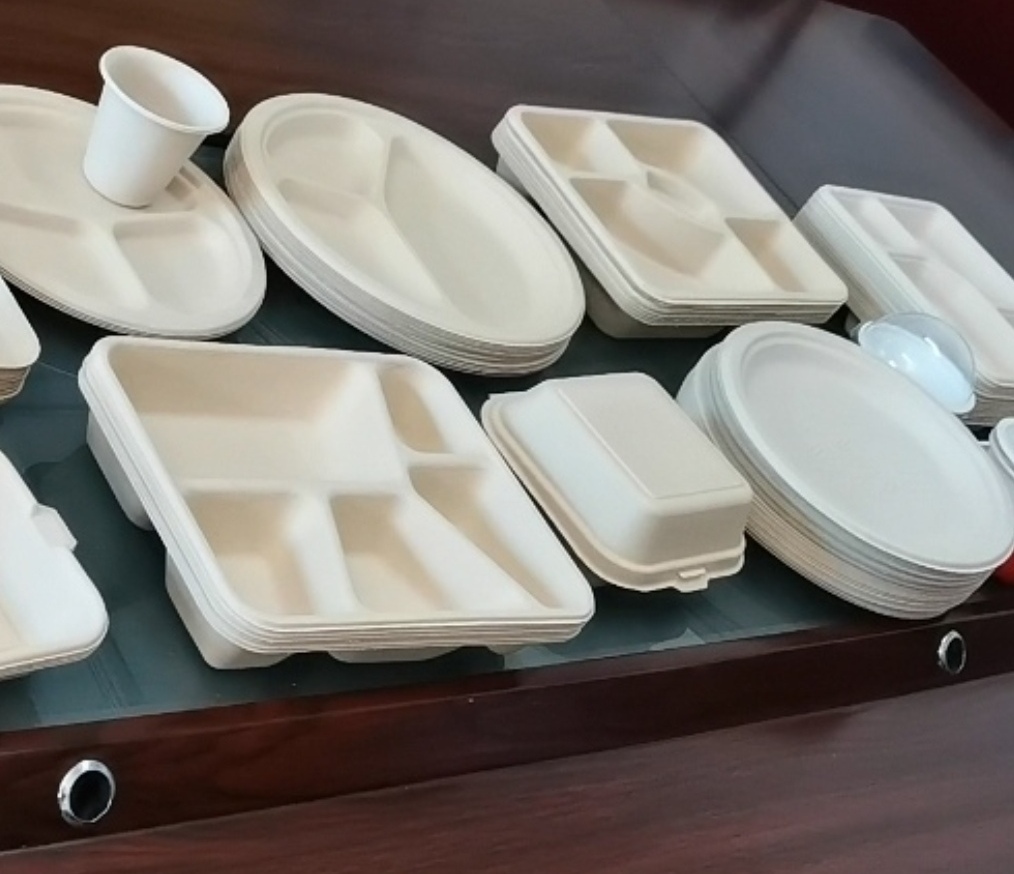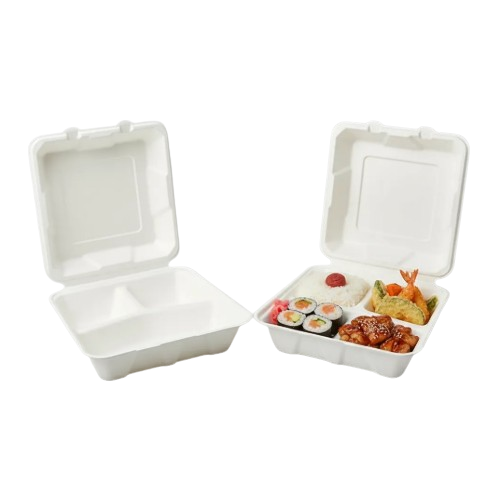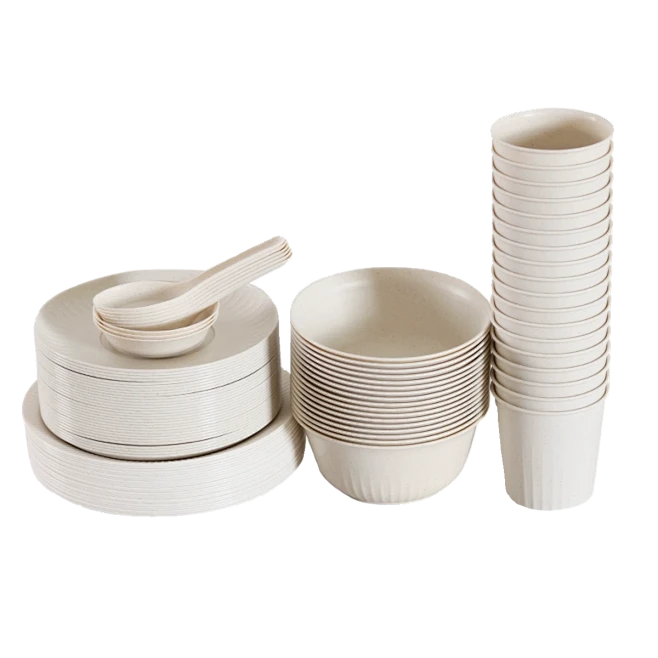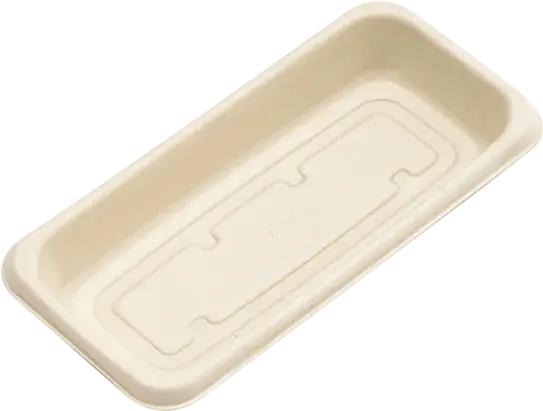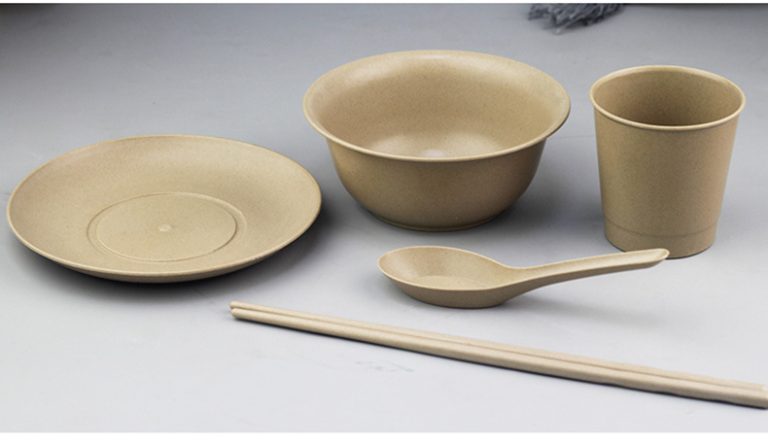
The biodegradability time of rice husk dinnerware is not fixed and depends on specific product manufacturing processes and degradation conditions, being highly dependent on environmental factors. Under industrial composting conditions, it typically takes 90 days to 6 months, while in natural soil or conventional landfill environments, it may require 6 months to 2 years or even longer.
I.Genuine 100% pure rice husk cutlery (no PP or melamine plastic added, self-bonded under high temperature and pressure), decomposition cycle under different environmental conditions:
1. Industrial composting (optimal degradation environment: 55-60℃, high humidity, sufficient microorganisms, kitchen composting plant)
National standard GB/T 18006.3-2020 Biodegradable standard: 90-day (3-month) biological decomposition rate ≥ 90%, completely decomposed into organic matter and silicon fertilizer within 6 months
3 months: Almost no visible fragments of tableware
6 months: Completely transformed into carbon dioxide, water, and soil organic matter, without residual microplastics
2. Family garden / Outdoor moist soil (at room temperature, open-air burial, with fallen leaves and humus)
Complete degradation takes 6 to 12 months; in rainy environments in spring and summer, it takes 6 months, and in dry and less rainy areas, it is extended to 1 year.
Principle: The cellulose and lignin of rice husk are decomposed by soil microorganisms, and the natural silicon dioxide returns to the soil, without any plastic residue.
3. Landfill (anoxic, lacking water, with very few microorganisms, the worst environment)
The degradation rate slows down significantly, and it will take 2 to 4 years for complete decomposition; the anoxic environment inhibits microorganisms, and the decomposition cycle doubles.
4. Marine Environment
The seawater has a high salt content and few native microorganisms. It decomposes within 1 to 2 years and completely breaks down after 3 years
The key factors influencing decomposition
Rice husk tableware does not have a uniform “shelf life”. The decomposition speed is mainly determined by the following factors:
A.The material formula is the determining factor: The eco-friendly rice husk tableware available on the market can be mainly classified into two types:
a. Pure natural pressing: Only using rice husks, starch, water and other physical adhesives, the decomposition speed is the fastest.
b. Mixed type: To make it more durable, components such as PLA (polylactic acid, a biobased plastic) are added. Although it is also degradable, it requires stricter industrial composting conditions (such as a constant temperature of 55-70℃ and humidity), and the process takes longer.
B.Environmental conditions are equally crucial: Regardless of the formulation, the rate at which the utensils degrade in ordinary soil or at a landfill will be much slower than in the ideal laboratory conditions, especially in an anaerobic environment without professional composting treatment.
II. The market 80% of the “rice husk tableware” available on the market (containing 15% to 25% PP polypropylene / melamine resin, a common industry practice)
The addition of plastic by merchants is to reduce costs and enhance hardness. It is not a fully biodegradable product and is the biggest environmental deception:
1. Industrial composting: The rice husk fibers decompose within 3 to 6 months, but the plastic framework remains, breaking down only into microplastics and cannot completely disappear;
2. Natural soil / landfill: The plastic components remain stable and there are still plastic fragments remaining for several years or even decades, which is essentially no different from ordinary plastic pollution; The manufacturers interviewed admitted frankly: These plastic-coated tableware cannot be promoted as “fully degradable” and have been required to make corrections by the market supervision authorities.
Biodegradable plastic tableware that complies with national standards (such as GB/T 38082) is required to have a disintegration rate of ≥ 90% within 180 days under specific composting conditions. However, this does not mean that it can be achieved simultaneously in the wild. There are no industrial composting facilities in the area, and the actual disintegration time of the rice husk tableware in nature is much longer than expected.
Therefore, truly plastic-free rice husk tableware will be naturally biodegraded into soil within 3 months through ideal composting; the cheaper plastic-containing versions, on the other hand, only undergo “partial decomposition” and still cause environmental pollution.