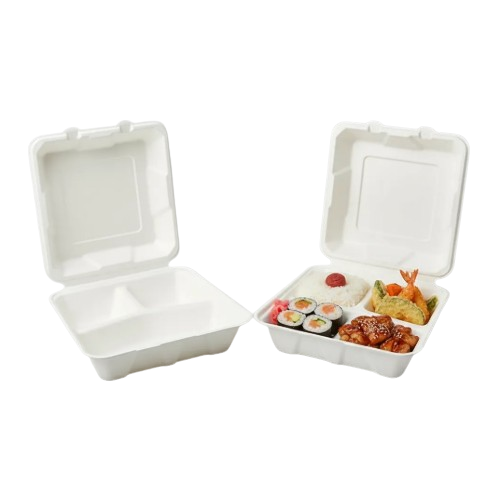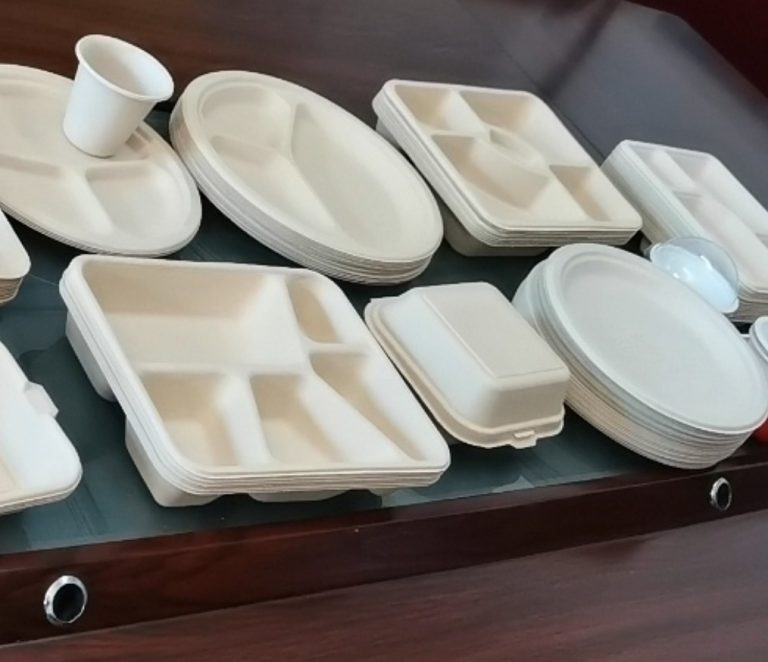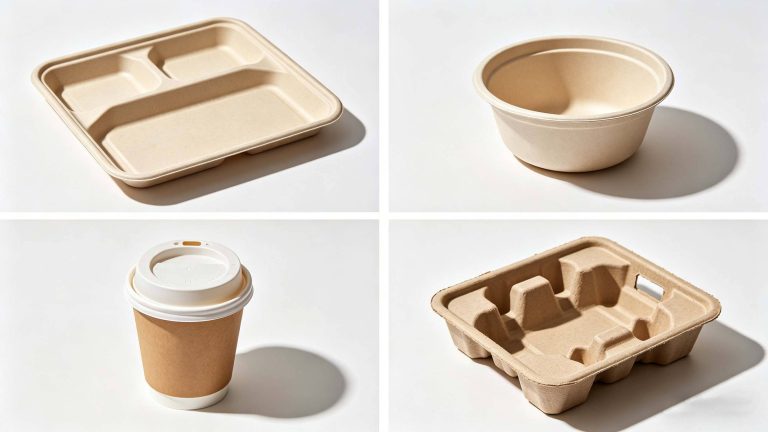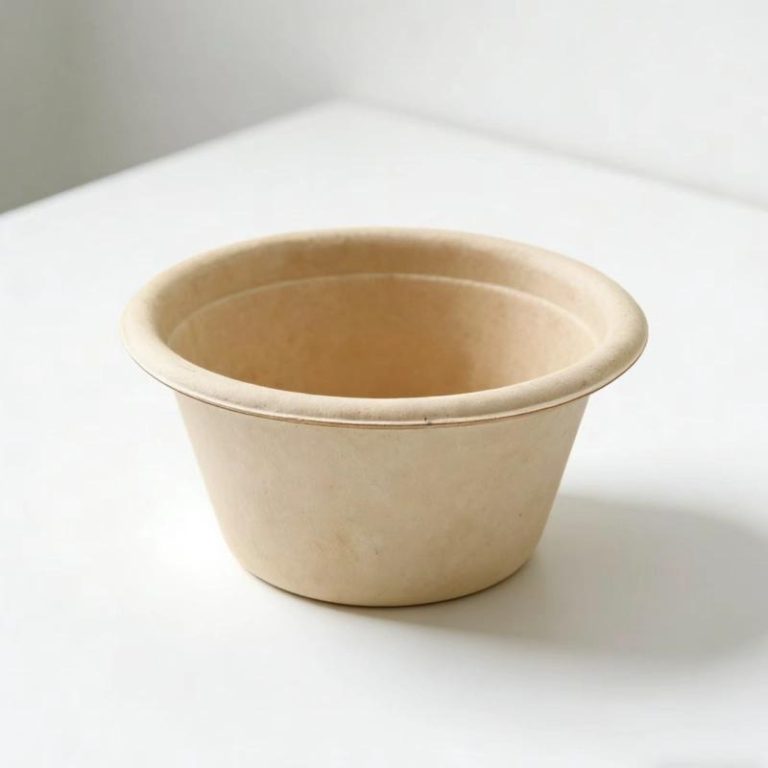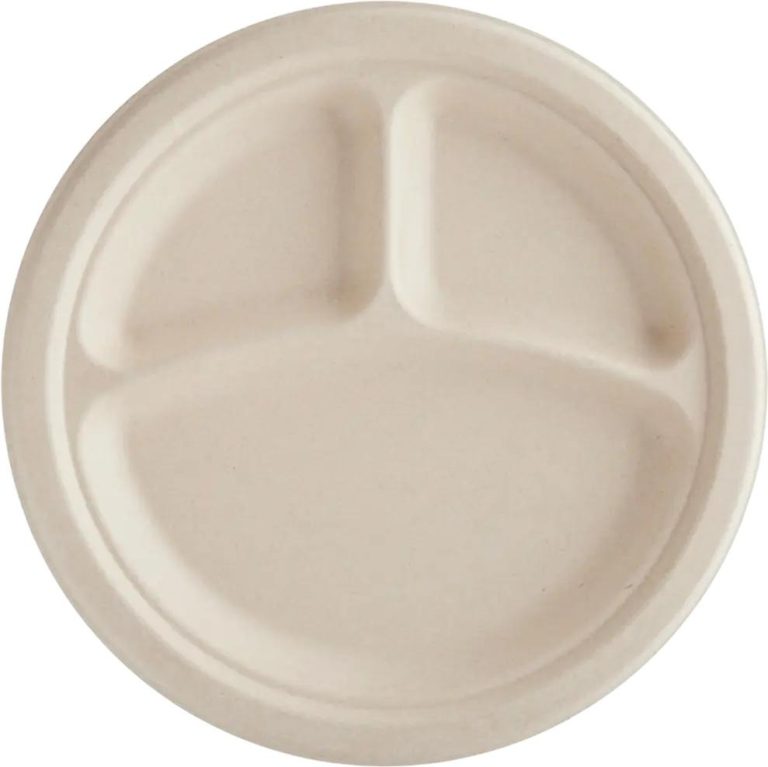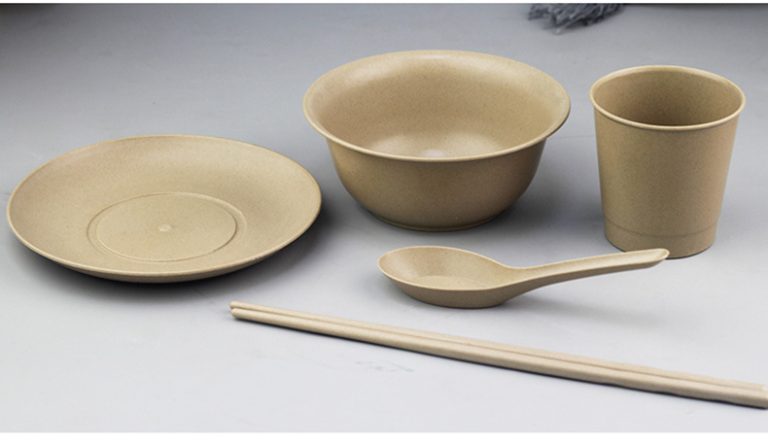
Sugarcane bagasse tableware is inherently non-toxic and chemically safe, making compliant products a reliable choice for everyday use. However, the crucial factor in ensuring safety is verifying the proper certifications, as unlicensed or substandard items may pose risks due to the presence of harmful residues. When compared to disposable plastic cutlery, sugarcane bagasse tableware stands out not only for its superior safety profile but also for its environmentally friendly nature, offering a sustainable alternative that reduces plastic waste and environmental impact.
Bagasse is the agricultural and forestry waste left after sugarcane is processed for sugar production. It mainly consists of three types of natural plant fibers: cellulose, hemicellulose, and lignin. It does not contain toxic substances such as bisphenol A (BPA), plasticizers, heavy metals, fluorescent agents, or PFAS (per- and polyfluoroalkyl substances) permanent chemicals. It is formed by high-temperature heat pressing its own lignin. No industrial chemical adhesives are needed for the formation process, and there are no carcinogens such as formaldehyde. The official sugarcane bagasse tableware is not treated with bleaching, avoiding the risks of residual chlorine bleaching agents and dioxin pollution.
To prevent water and oil from seeping through, the sugarcane bagasse tableware will be added with food-grade additives such as starch, sodium alginate, beeswax, and food-grade wet strength agents. These components all comply with the national standard GB 4806.8 for “Paper and board for food contact”. During the production process, it undergoes high-temperature heat pressing sterilization at 170–200°C, which not only enables it to take shape but also kills microorganisms and decomposes most of the trace harmful impurities.
The safety inspection compliance indicators include the following:
1. Formaldehyde migration (≤ 15mg/kg)
2. Transmissible fluorescent whitening agents (This item must not be detected)
3. Heavy metals (lead, cadmium, arsenic, mercury) (The detected values are strictly limited)
4. Total substance migration amount, oil, and substances precipitated under acidic conditions (All must be compliant)
5. No PFAS, industrial dyes, or industrial adhesives residues
The sugarcane tableware has potential risks: Some inferior products, in an attempt to reduce costs or enhance performance, may illegally add fluorine compounds (PFAS), excessive fluorescent agents or excessive heavy metals. When exposed to high-temperature acidic/oily foods for a long time, these substances will slowly leach out, posing an endocrine disruption risk. Be vigilant about the hidden dangers of coated models. PE/PLA coated sugarcane tableware. When the temperature exceeds 100℃, the coating layer may soften and release plasticizing substances, and is not suitable for microwave heating or for holding hot oil foods. There are also cases of illegal addition of industrial additives, such as industrial waterproof agents. When recycled waste paper is used for production, heavy metals, fluorescent agents, formaldehyde, etc. may exceed the standard.
Safety Guide for Purchasing Sugarcane Bagasse Tableware:
1. Observe the appearance and smell to ensure there is no pungent chemical odor. If the color is too white or has a musty or sour smell, it may indicate excessive bleaching or the raw material has deteriorated.
2. The certification mark is a very important aspect. Prioritize choosing products with certifications such as LFGB (Germany), FDA (USA), BPI, or OK Compost (compostable).
3. The packaging must indicate compliance with GB 4806.8-2016, indicating for food contact use.
4. Disposable sugarcane tableware should not be used repeatedly for a long time.
The bagasse tableware is chemically safe and non-toxic. It can be used by the elderly and infants without any problem. It is a safe alternative to disposable plastic tableware.
For more product information, you can refer to the following link: https://simhoo.com