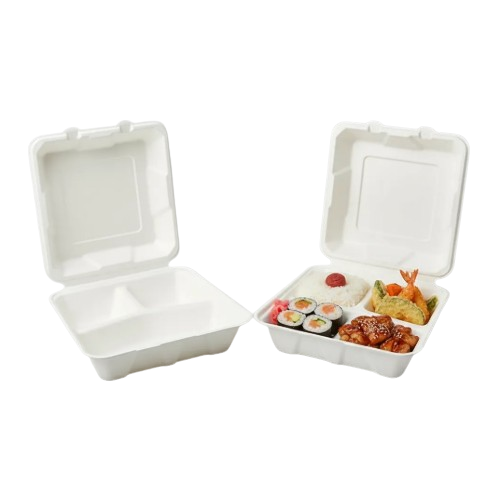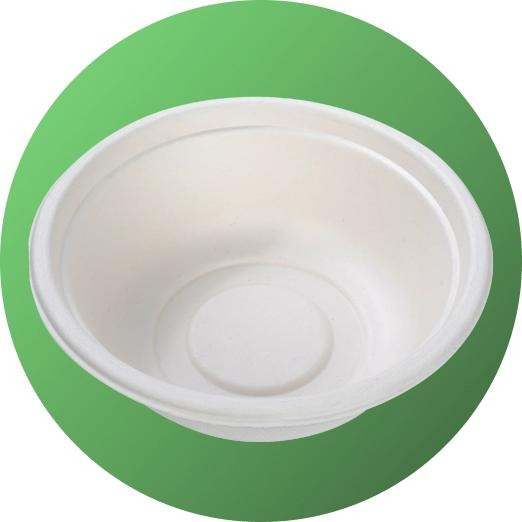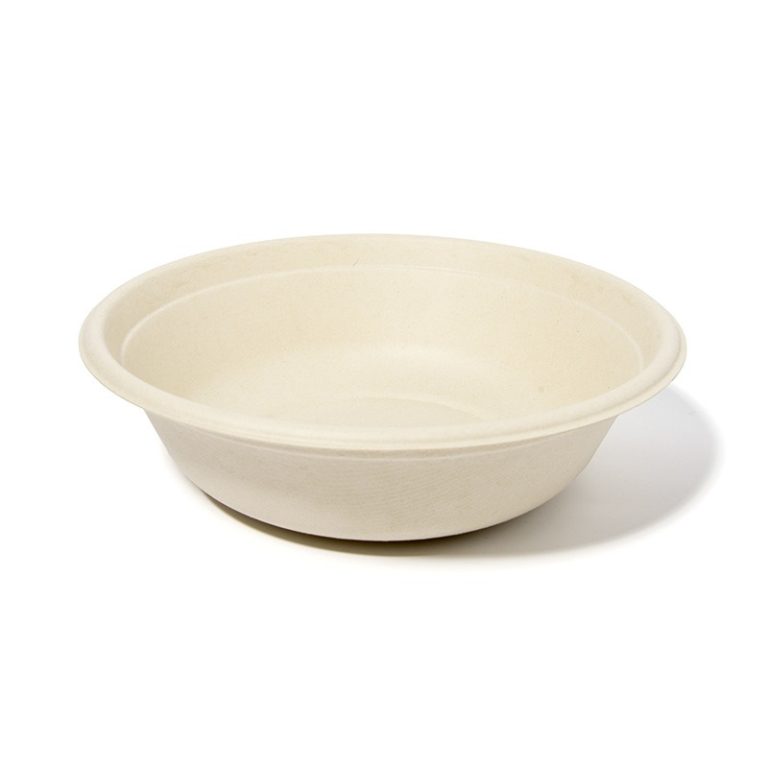
The advantage of sugarcane straw straws lies in their environmental sustainability and superior user experience compared to traditional paper straws. They address the environmental issues caused by conventional plastic straws while overcoming the shortcomings of paper straws in terms of usability. Simply put, they are eco-friendly, durable, and reliable.
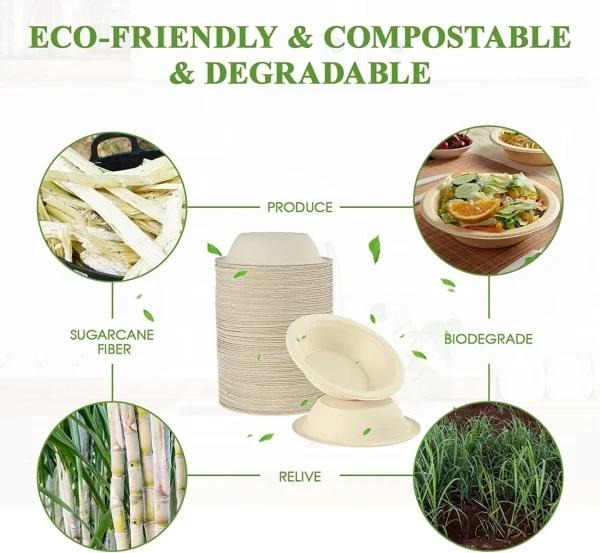
The sugarcane bagasse straw straws are made from the waste bagasse left after sugar extraction from sugarcane. This is a reuse of agricultural waste, reducing the consumption of primary resources such as wood. They can degrade in compost, soil, or natural environments and do not cause white plastic pollution. There is no microplastic bagasse, significantly reducing the risk of “white pollution”. They are suitable for use in takeout, tea shops, and supermarkets. During the growth of sugarcane, it absorbs carbon dioxide. Compared to disposable plastic and paper straws, it is a low-carbon and environmentally friendly tableware.
The usage experience of sugarcane bagasse is superior to paper straws and ordinary biodegradable straws. Paper straws become soft and lose fibers after being exposed to hot water for a few minutes, and they have a strong smell of paper. In contrast, sugarcane fiber straws have a firm structure and do not deform or soften under long-term exposure to hot or cold drinks. It is also less likely to clog when drinking pearls or fruit pieces. The taste does not have the pungent chemical smell of plastic, but only has a faint plant flavor and a light sweet aroma. It does not affect the taste of milk tea, coffee, or juice. The wall of the sugarcane bagasse straw is smooth and thick, unlike the rough edges of paper straws, providing a comfortable drinking experience.
The plastic free bagasse straws can be used as straws in tea shops because they are heat-resistant and can be used for both cold and hot drinks. The temperature resistance is generally around -20°C to 100°C. They can be used for ice water, hot tea, hot coffee, and boiling water, and will not deform or soften. Some processed products can withstand high temperatures (around 90°C) without deformation and are suitable for a wide range of scenarios. After special processing, they have certain hydrophobic and oil-resistant properties, making them suitable for beverages containing high levels of oil or sugar such as milk tea and coffee.
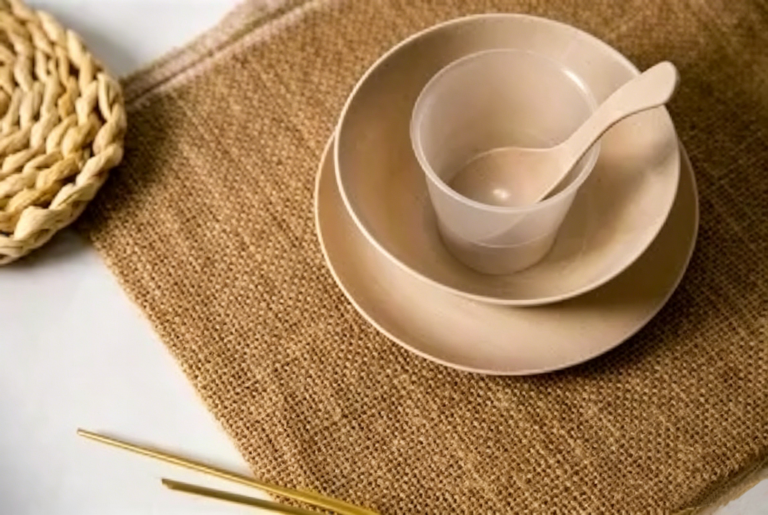
The colors are mostly matte beige and light brown with a natural texture, which is more upscale than the rough and yellowish ordinary paper straws. They enhance the atmosphere when used for taking photos and are suitable for coffee shops, camping, and trendy beverage stores. The bulk purchase price is much lower than that of PLA biodegradable plastic straws. They have better moisture resistance than paper straws and are not prone to moisture absorption and mold growth during normal storage. The sugarcane bagasse straws are produced with food-grade technology, without fluorescent agents or harmful additives. They can withstand high temperatures without releasing harmful substances. They do not contain petroleum-based plastics and have passed internationally recognized food safety tests such as SGS to ensure their safety as food contact materials. Seniors and children can use them with confidence.
This sugarcane bagasse straw made from “waste” sugarcane bagasse not only has a high appearance quality and good texture, but also provides a superior consumer experience compared to ordinary paper straws and PLA straws. Its greatest advantage lies in its environmental friendliness, transforming waste into treasure, and being fully biodegradable.
Some products on the market, in an attempt to enhance the performance and strength of sugarcane bagasse straws, may add bioplastics like PLA (polylactic acid). However, this is not 100% pure natural. When choosing such products, it is necessary to pay attention to the product ingredient labels.