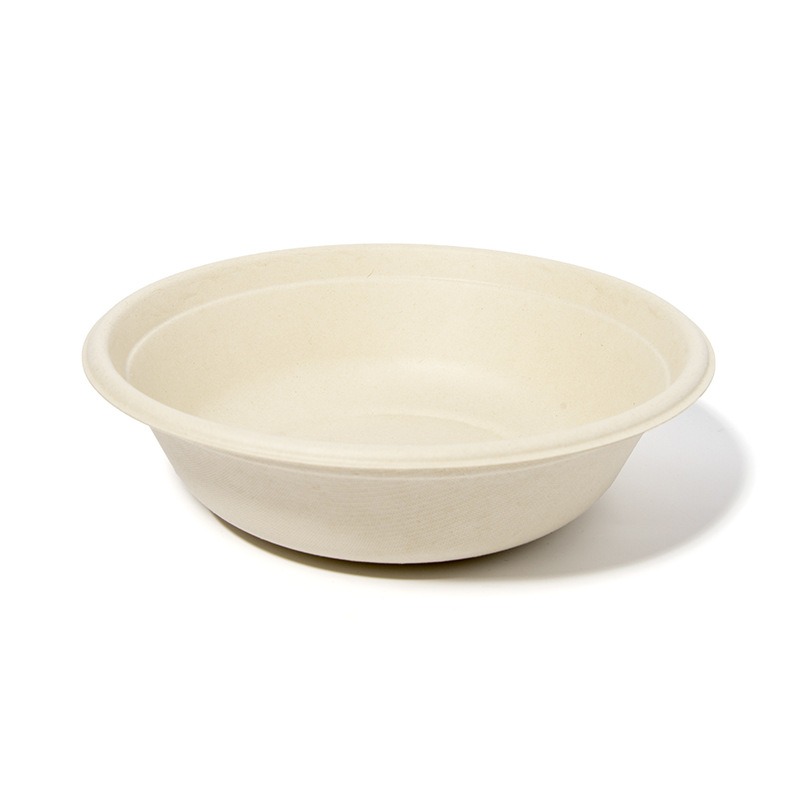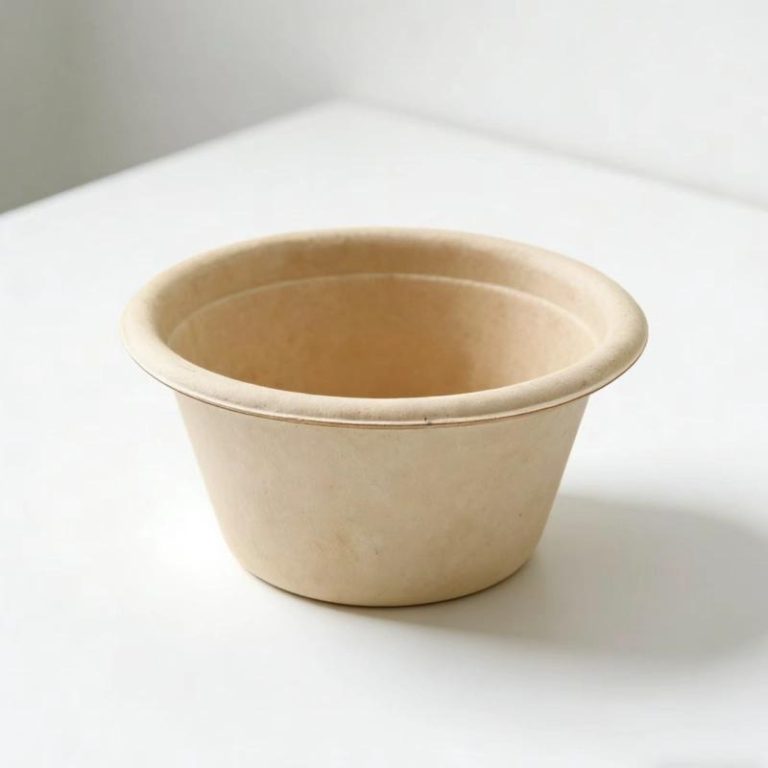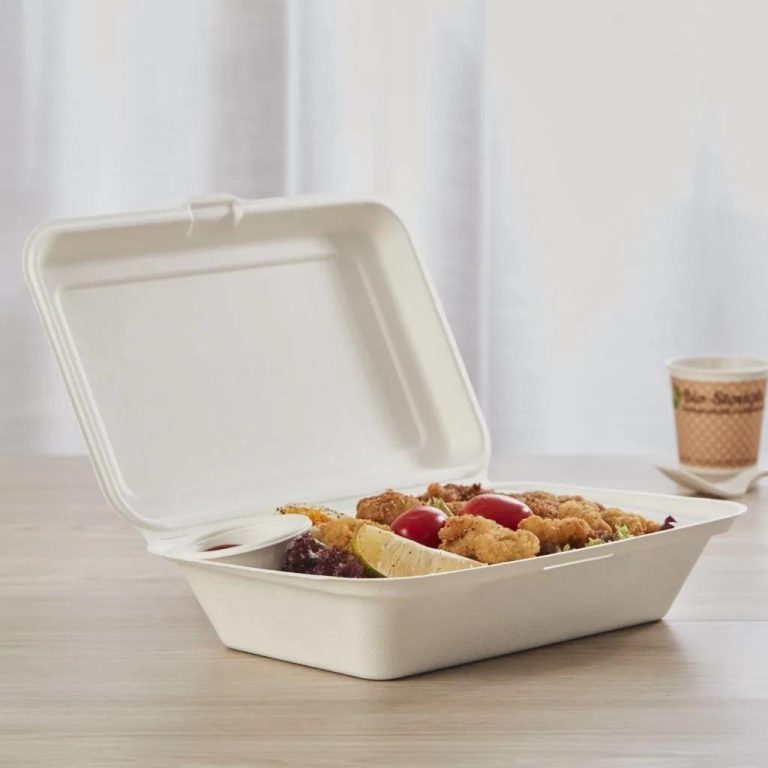
At previous Canton Fairs, eco-friendly tableware made from sugarcane bagasse has become a highlight in the kitchen and dining exhibition area, sparking a powerful “green wave.” The key to these agricultural by-products winning over overseas suppliers lies in five core strengths: policy compliance, product performance, circular value, cost-effectiveness across the supply chain, and globally recognized certifications.
I. Riding the global “plastic ban” wave and embracing the dual carbon goals
The European Union, the UK, and other regions have introduced bans on single-use plastics, requiring businesses to replace them with biodegradable alternatives or face heavy fines. Sugarcane bagasse tableware can naturally decompose under environmental conditions, making it today’s preferred plastic substitute. This transformation elevates waste byproducts into valuable resources, perfectly aligning with the globally promoted concepts of circular economy and low-carbon living. The product is free from PFAS and BPA, contains no petroleum-based materials, and fully decomposes within 60 to 90 days through home composting, turning into organic fertilizer. In contrast, traditional disposal methods such as incineration or composting often lead to resource waste and potential environmental pollution.
II. Product Performance, Balancing Practicality and Scene Adaptability
Early plant fiber tableware often faced problems such as fragility and poor heat resistance. However, the improved sugarcane residue tableware filled the shortcomings of traditional paper-plastic tableware.
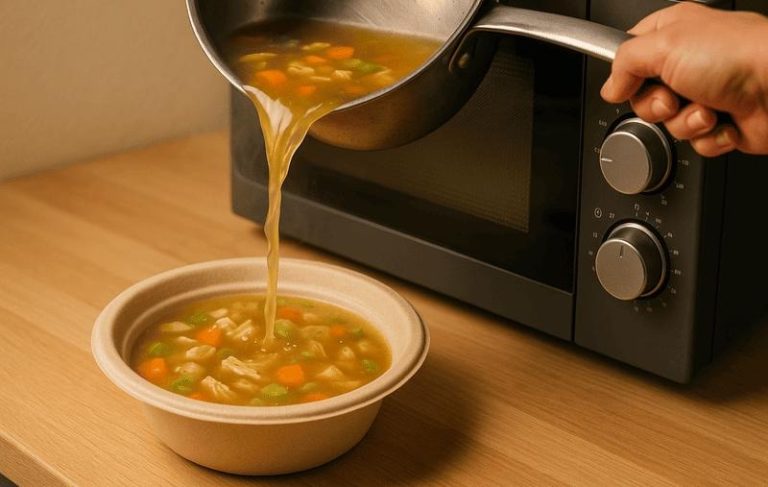
High heat resistance: It can withstand freezing at -20°C to high temperatures up to 220°C. Some products can also withstand low temperatures as low as -40°C. It supports microwave and oven heating, and the hot soup and fried food can be contained without softening or deforming;
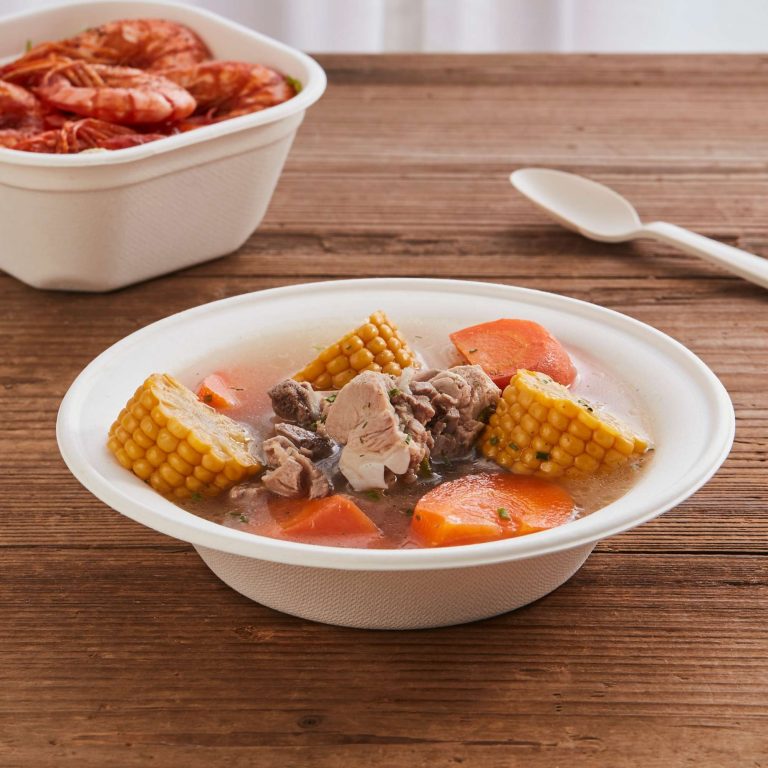
Waterproof and oil-resistant: After food-grade processing, the takeout and fast food packaging boxes do not leak soup or absorb oil, which is far superior to ordinary disposable paper plates;
Sturdy and durable: Through continuous improvement of the pulp molding process, the product combines durability with aesthetics. It even received recognition on the top 100 packaging list. It is resistant to pressure, resistant to folding, exquisite, and can be used for high-end catering, supermarkets, and baking gift box packaging;
Wide range of categories: More than 200 types of sugarcane bagasse tableware were exhibited at the Canton Fair. The tableware includes takeout boxes, plates, knives and forks, coffee cup lids, and fresh food trays, which can meet the procurement needs of various scenarios such as catering, retail, and aviation.
III. Win-win for Economy and Social Benefits
Sugarcane bagasse can replace wood resources. Each ton of bagasse can replace 3 cubic meters of wood, significantly reducing the cutting of trees. This aligns with the global consensus of “replacing plastic with bamboo and protecting forests”. Utilizing the waste from the sugar industry is a typical circular economy project. Overseas consumers and brand owners are willing to pay for environmental protection concepts. The raw materials are renewable, and the output of sugarcane is stable every year. There is no risk of shortage or price surge in the supply chain of wood pulp or petroleum raw materials.
IV. The Support of China’s Mature Industrial Chain
Guangxi and Yunnan in China are the main sugar cane production areas in the world. They have a complete industrial chain for sugarcane bagasse pulping, molding, and disinfection. The raw materials are abundant and the prices are stable. Compared with other degradable materials such as corn starch and bamboo fibers, the procurement cost is lower. Domestic enterprises fully automatly production line is adopted, enabling rapid and large-scale standardized production of sugarcane bagasse tableware. They can not only secure large orders but also support small-scale purchasers to customize in small batches, solving the pain points of overseas consumers such as “unstable production capacity and delayed delivery”. Due to the mature supporting systems, samples can be connected, factory inspections can be conducted, and intention agreements can be signed at the China Import and Export Fair. Many enterprises have already secured tens of thousands of US dollars of overseas intention orders on the first day of the fair.
V. International Accreditation
Food Safety: FDA of the United States, LFGB Food Contact Safety Certification from Germany
Environmental Qualification: OK Compost – Household and Industrial Composting Certification
The sugarcane bagasse tableware has gained popularity among overseas buyers due to its environmental-friendly characteristics, the subsequent technological breakthroughs, strict compliance with international standards, and efficient integration within the supply chain. Leveraging the global business resources of the Canton Fair, domestic enterprises have continuously expanded their overseas markets and successfully won the favor of overseas buyers.