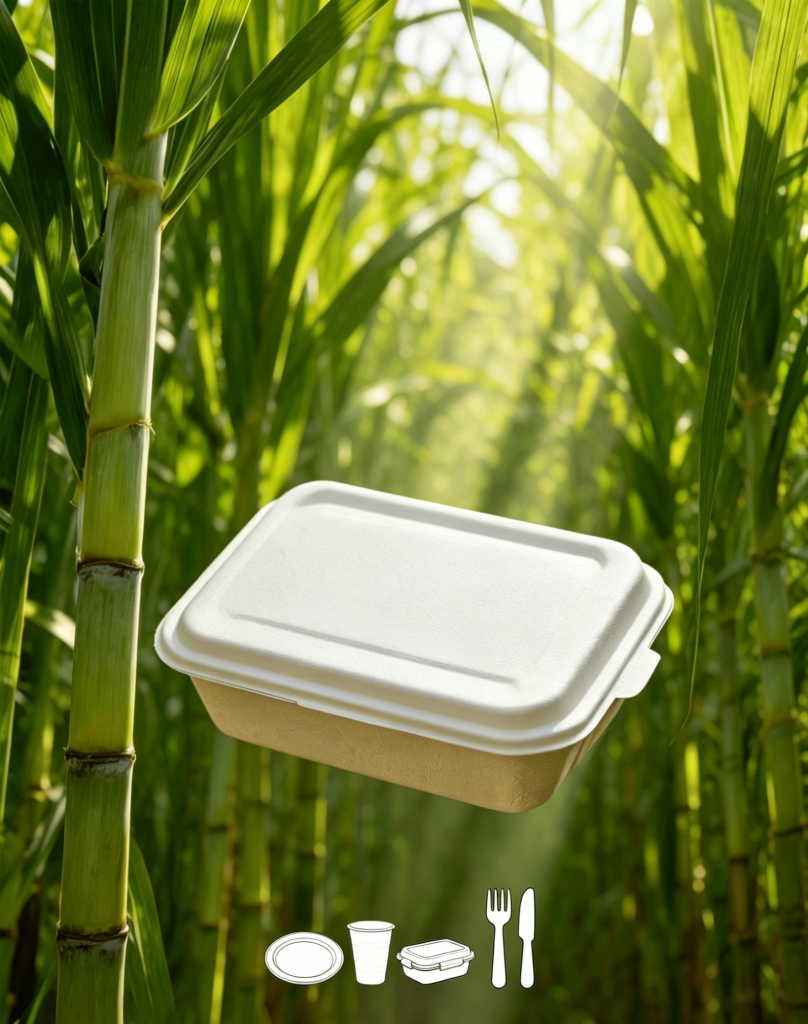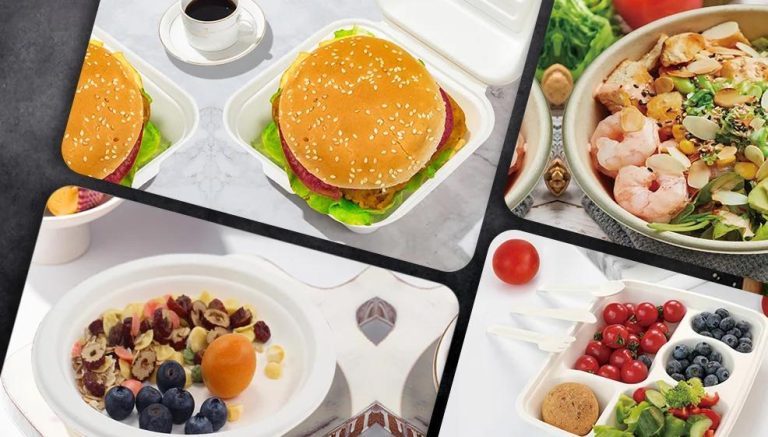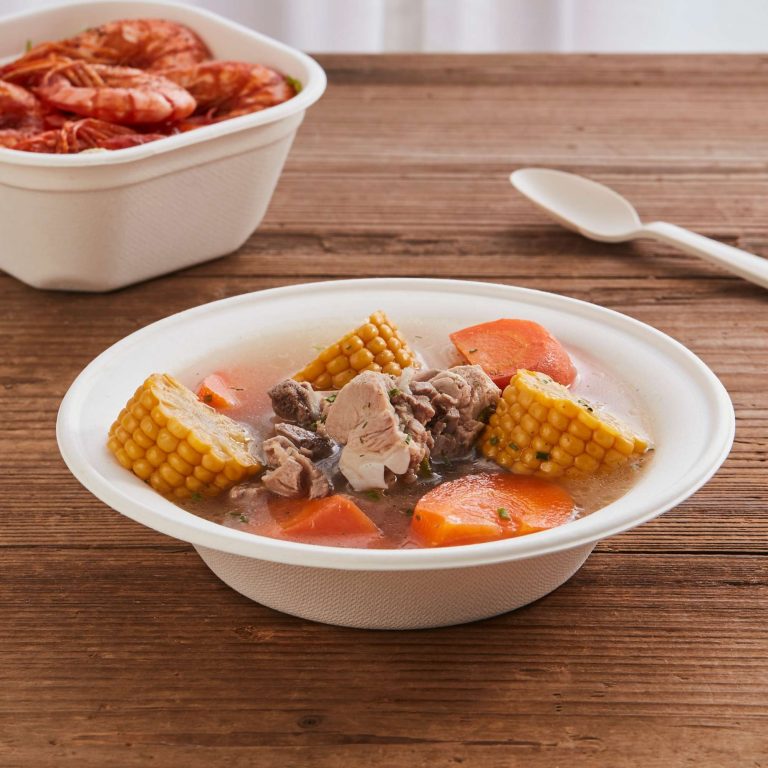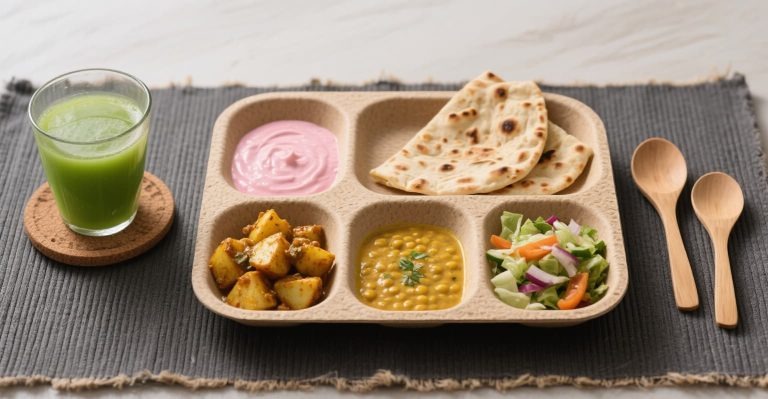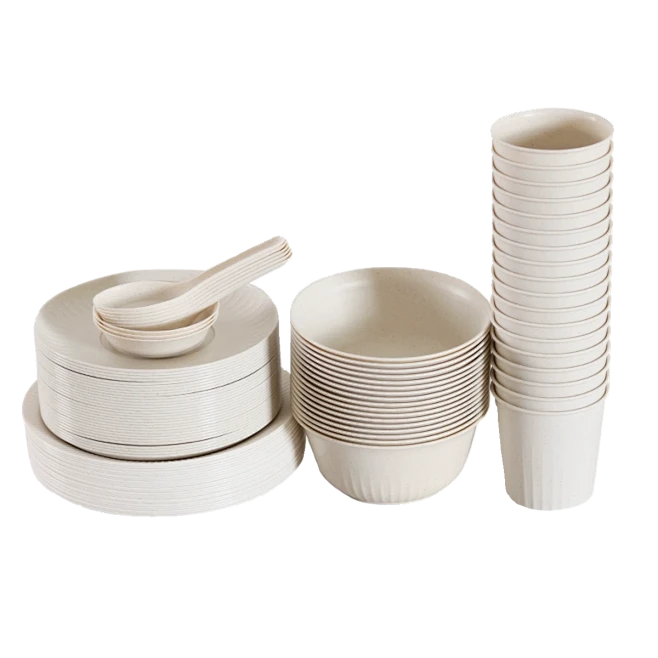
Sugarcane bagasse, a byproduct of sugar production, has been transformed through pulp molding into disposable bagasse tableware made from sugarcane bagasse. Leveraging policy demand, low raw material costs, superior product performance, international compliance, and supply chain advantages, it has precisely capitalized on the green transition trend in Europe and North America. What exactly enables this product to be exported widely to these regions and achieve such high annual output value?
I: Strong Plastic Bans in Europe and the U.S.
Since 2021, the European Union, the UK, and other regions have progressively implemented the Single-Use Plastics Directive, banning plastic cutlery, plates, and foam food containers. Companies violating these rules face heavy fines, while restaurants, food delivery services, and supermarkets are required to switch to compostable tableware. With the official implementation of the EU Carbon Border Adjustment Mechanism (CBAM) in 2026, the food service and delivery industries in Europe and North America are under pressure to find compliant alternatives. Sugarcane bagasse tableware has perfectly filled this significant market gap. As single-use utensils must now meet compostability certification standards, major European and American restaurant chains, supermarkets, and airlines have incorporated green packaging into their corporate social responsibility assessments, prioritizing sugarcane bagasse tableware as a standard for sustainable marketing.
II: Local raw material sourcing (cost + low carbon)
In the sugar-producing areas of Guangxi and Yunnan in China, the waste bagasse generated from large-scale sugar production each year were previously disposed of through incineration or composting at a low cost. The cost of raw materials was much lower than that of wood pulp and degradable corn starch tableware. This enabled “local sourcing and local processing”, significantly reducing logistics and production costs, and giving the products strong price competitiveness in Europe and the United States. Low carbon complies with the carbon tax requirements of Europe and the United States. The bagasse is an agricultural waste that can be recycled. Not only does it avoid the carbon tax, but it also meets the carbon neutral purchasing requirements of European and American consumers.
III: The product’s practical performance is suitable for European and American dining scenarios.
The breakthrough in sugarcane bagasse tableware technology has increased its added value. Under normal temperature industrial composting conditions, it can completely degrade within 180 days. It can withstand 120°C high temperature, be microwaved, and is waterproof and oil-resistant, suitable for various scenarios such as Western cuisine, takeout, and camping. Sugarcane bagasse tableware does not contain PFAS (perfluoroalkyl substances) and harmful fluorine substances that are strictly restricted in Europe. It complies with the latest packaging regulations of the European Union, solving the pain point that traditional coated paper tableware cannot be exported. It supports customization of brand logos for customers and is suitable for multiple channels such as supermarkets and restaurants.
IV: International authoritative certifications (passport for the European and American markets)
Export enterprises must obtain all the certifications to clear the two major thresholds of customs and supermarkets:
North America: BPI biodegradable certification, FDA food contact safety certification (USA)
Europe: EN13432, OK Compost certification, LFGB food grade certification (Germany)
BRC, HACCP food safety system certifications, meeting the strict supplier review standards of large European and American retailers
V: Domestic mature industrial chain, stable supply
Based on the sugarcane production areas in southwest China, our country has formed a complete closed-loop industrial chain covering sugarcane residue recovery, pulping, molding, sterilization testing, storage. With a stable industrial chain, large-scale production, mature automated production lines, stable production capacity, controllable delivery time, it has filled the gap of insufficient production capacity of biodegradable tableware in Europe and America. A large number of small and medium-sized factories have formed comprehensive advantages in terms of price, delivery, and customization, generating considerable annual output value, reaching nearly 100 million yuan.
V: Domestic mature industrial chain, stable supply
Based on the sugarcane production areas in southwest China, our country has formed a complete closed-loop industrial chain covering sugarcane residue recovery, pulping, molding, sterilization testing, storage. With a stable industrial chain, large-scale production, mature automated production lines, stable production capacity, controllable delivery time, it has filled the gap of insufficient production capacity of biodegradable tableware in Europe and America. A large number of small and medium-sized factories have formed comprehensive advantages in terms of price, delivery, and customization, generating considerable annual output value, reaching nearly 100 million yuan.