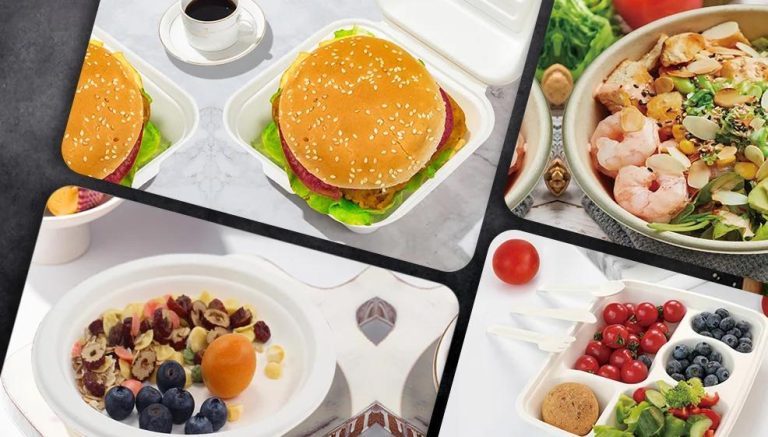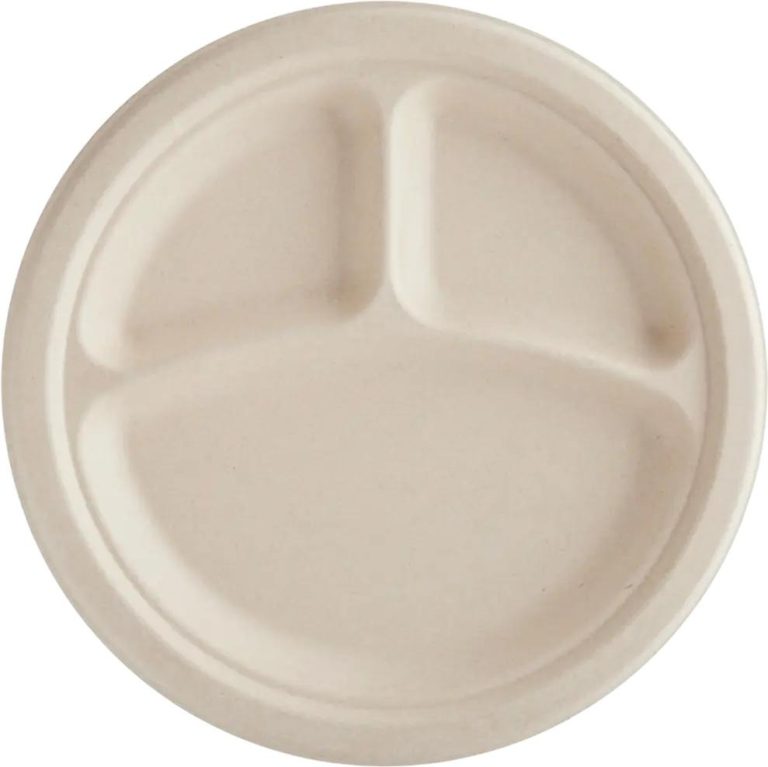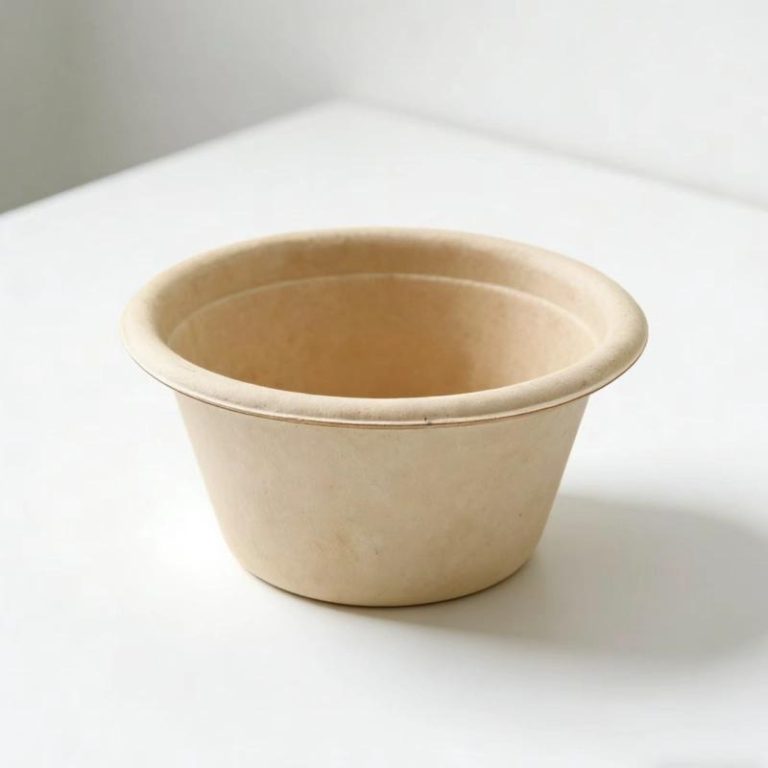
The LFGB and 21CFR only prove “food contact safety”. The fact that sugarcane tableware has obtained these certifications does not mean it is “degradable” or “environmentally compliant”. “Certification” ≠ “compostable”: The LFGB/FDA only ensure “whether it is safe to consume”, but do not consider “whether it degrades when thrown away”.
LFGB (EU Germany, European Market Mandatory Core): This is the most stringent food contact testing standard in the EU and is currently the most stringent food-grade standard for paper tableware globally.
FDA 21CFR (US Market Standard): This is a food contact compliance standard in the US, which is not a mandatory pre-market approval but rather a basis for enterprises to make a self-declaration of compliance.
The core differences between the two certifications:
LFGB conducts mandatory tests on the odor, off-odors, cross-odor, and discoloration of sugarcane bagasse tableware. If the test results are below standard, the product will be directly rejected. It ensures that the tableware will not impart any off-odors or discoloration to the food. The tests include measuring mineral oil MOSH/MOAH, primary aromatic amines, chloropropanols, and fluorescent whitening agents. Sugarcane tableware that can be microwaved must undergo a strict simulation at 70℃ for 2 hours. An English ISO17025 report and an EU DoC compliance statement will be provided. In 2026, the EU has a mandatory addition: PFAS-Free without the detection of full fluorine substances. A single PFAS should be ≤ 25ppb and the total PFAS should be ≤ 250ppb. Even with the dual reports from LFGB and FDA, if the PFAS report is missing, the product will still be subject to seizure and recall. Europe has completely banned the deliberate addition of fluorine-containing waterproof coatings to food tableware.
The FDA 21CFR does not mandate sensory tests for bagasse tableware. It only requires the testing of total migration, heavy metals, absence of mineral oil, and aromatic amines. The regular 40°C/10-day constant temperature simulation is conducted. Printed tableware requires additional testing. A mandatory special test for PFAS is also required. An English PFAS-Free test report is issued to prove that no intentionally added fluorine-containing waterproof or oil-resistant coatings were used. Starting from 2025, the FDA has prohibited the intentional addition of PFAS-type waterproof coatings to food paper packaging. An English test report + COC compliance statement is provided. It is not acceptable to only provide the FDA report without the PFAS test.
The compliance documents that European buyers need to request from suppliers are essential for EU customs clearance (core items):
1. Complete English-language inspection report from LFGB
2. Official EU DOC compliance statement with manufacturer’s seal
3. Special PFAS English-language inspection report (mandatory)
4. Printed tableware: Separate LFGB migration report for the ink
5. OK Compost (EN13432) compostability certification (mandatory for display in European supermarkets)
The compliance documents that the United States needs to request (required for customs clearance and product placement in supermarkets):
1. FDA food safety compliance documents (21CFR test report issued by an ISO17025 laboratory, manufacturer’s stamped version of the COC conformity statement)
2. PFAS-Free special test report
3. BPI compostable certification (ASTM D6400) (the only recognized industrial compostable label in the United States)
4. Supporting verification documents (MSDS safety data sheet of sugarcane residue raw material, ISO22000 food safety production system certificate, model coverage description for the same product series)
For buyers in the European and American markets, the sugarcane bagasse tableware has obtained both the LFGB and FDA 21 CFR certifications, which indicates that this tableware has an internationally top-notch level in terms of food safety.