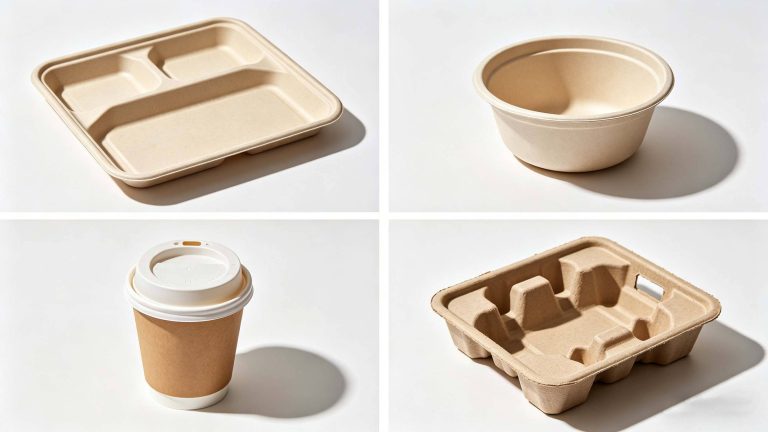
PFAS are a group of synthetic chemicals with extremely stable carbon-fluorine bonds, making them highly resistant to degradation in the environment and human body. Due to their oil- and water-repellent properties, they are intentionally added to certain sugarcane bagasse tableware and are known as “forever chemicals.”
Compostable bowls are made by compressing plant fibers and is not inherently waterproof or oil-resistant. To prevent soaking or oil leakage when serving hot soups or fried foods, manufacturers add an “oil-repellent agent.” It is precisely this oil- and water-resistant, high-temperature-tolerant property that has led to the widespread use of PFAS in non-stick cookware coatings, waterproof fabrics, firefighting foam, as well as food packaging paper and cardboard. As one of the most effective oil- and water-repellent additives known today, PFAS was once widely used in bagasse tableware.
PFAS has a strong bioaccumulative property. Once it enters the human body, its half-life can last for several years. It will accumulate in the blood and organs for a long time and is difficult to be metabolized and excreted. Long-term and repeated use can have adverse effects on human health, interfering with endocrine function, reducing human immunity. Children may experience stunted growth. It can also increase the risk of liver and kidney damage and various cancers. Moreover, it will spread through the environment and contaminate soil and water sources for a long time. Most countries have restricted the use of PFOA and PFOS, which are two types of long-chain PFAS, in food contact materials.
1. The manufacturer deliberately adds PFAS to create a waterproof and oil-resistant coating.
The tableware made directly from sugarcane fibers is unsuitable for holding hot soup as it is prone to leaking water, oil, and becoming soft and damaged during delivery. This makes it unable to meet the demands of the merchants. Many manufacturers, in an effort to save costs and achieve efficient oil and water resistance, will spray fluorine-based waterproof and oil-resistant agents containing PFAS onto the formed sugarcane fiber after its molding. A small amount of addition can achieve waterproof and oil-resistant properties, high temperature resistance, and low cost. However, the potential hazard is that in an environment with high oil and fat content, PFAS will migrate from the tableware into the food and be ingested by the human body. After disposal, it will enter the soil and water sources, causing permanent environmental pollution, and also make the originally compostable sugarcane bagasse tableware lose its environmental protection attribute.
2. Cross-infection during production process
The recycled pulp and waste plant fiber scraps may have been contaminated by PFAS-containing packaging or waterproof paper products before. The irrigation water source for the sugarcane planting soil was contaminated by PFAS from surrounding industries. The raw materials themselves have trace residual contaminants, but this is relatively rare. The use of contaminated recycled fibers or equipment in the production process caused the Compostable Bowl to be slightly contaminated.
3. Low-quality small factories, lacking in craftsmanship
Compliant and PFAS-free sugarcane plates is achieved through physical modification (such as high-temperature and high-pressure densification) or the addition of environmentally friendly additives (such as AKD) to prevent oil absorption. The equipment and raw material costs are higher, but low-quality small factories, in an effort to reduce costs, are reluctant to adopt environmentally friendly processes. They choose cheap PFAS additives instead, ultimately resulting in many disposable sugarcane bagasse tableware on the market having PFAS levels that exceed the standard.
When choosing biodegradable disposable tableware, select products that are labeled as “PFAS FREE” and have a food contact material test report. During use, try not to heat them for a long time and avoid using them to hold high-fat and high-temperature foods.