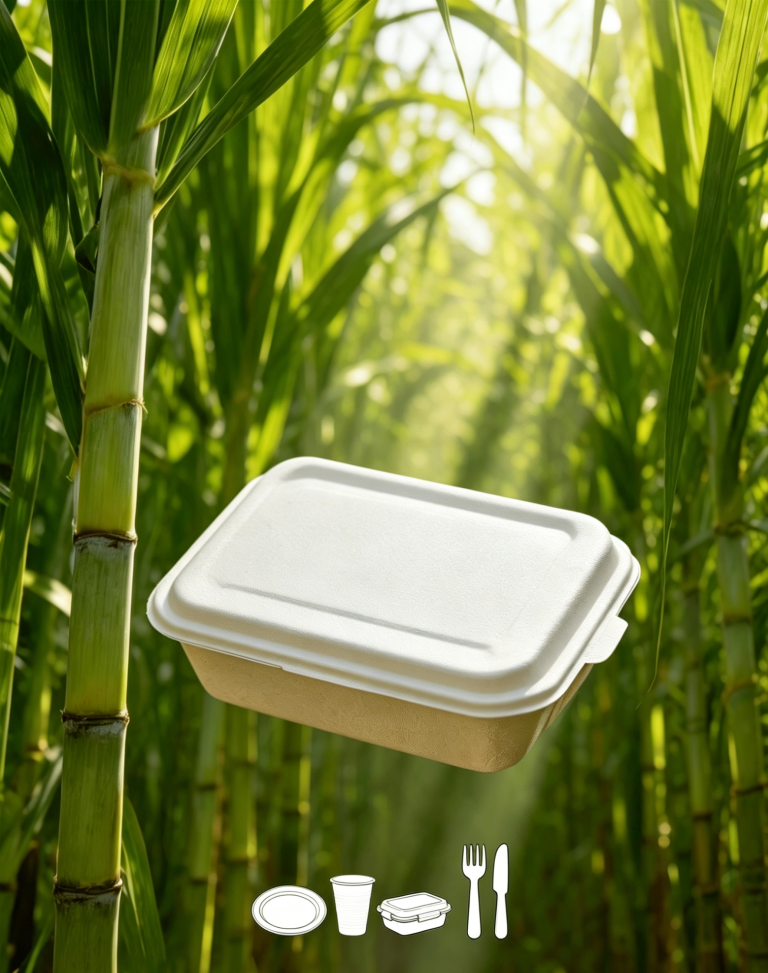
As plastic bans are being implemented across various regions in the United States, orders for compostable disposable takeout utensils have surged. For foodservice importers and wholesalers, BPI-certified bagasse tableware is no longer just a competitive advantage—it has become a mandatory requirement to enter the U.S. eco-friendly tableware market.
As plastic bans are being implemented across various regions in the United States, orders for compostable disposable takeout utensils have surged. For foodservice importers and wholesalers, BPI-certified bagasse tableware is no longer just a competitive advantage—it has become a mandatory requirement to enter the U.S. eco-friendly tableware market.
The sugarcane tableware must strictly meet these two standards:
1.Uncoated pure color discs: Comply with ASTM D6400 standard (plastic)
2.Sugarcane plates with oil and water-resistant coatings: Comply with ASTM D6868 standard (for coatings and fiber products)
The product must undergo strict testing and fully degrade within 180 days in an industrial compost environment, converting into carbon dioxide, water and biomass, without leaving any toxic substances. Intentional addition of PFAS (perfluorinated substances) is prohibited. Only sugar cane residue tableware that is completely free of fluorine and zero PFAS can successfully obtain the BPI certificate and pass the California food inspection.
II.The three core reasons why the United States only recognizes the BPI certificate
Without a formal BPI certificate, the product cannot be labeled as “compostable“. In regions such as California and New York, false environmental labels will be subject to heavy fines. Only test reports cannot be used for compliant promotion. Un-certified products will be directly classified as regular waste for landfill and cannot be processed through the organic waste recycling channel.
Wal-Mart, Whole Foods, chain takeout restaurants, and large-scale catering companies all purchase BPI-registered products with one certificate per item. Ordinary quality inspection reports cannot meet the inspection requirements of major customers. For large orders, BPI certificates must be presented.
Unsanctioned eco-friendly packaging without proper composting certification is likely to be seized by customs during customs clearance. Certified Bagasse tableware can significantly reduce inspection delays and ensure the efficiency of maritime transportation.
III.Core Advantages of BPI Certified Sugarcane Bagasse Tableware
1. Support scanning and verification on the BPI official website, with an open and accessible database. Each item has a unique certificate, and the specification change certificate is updated simultaneously.
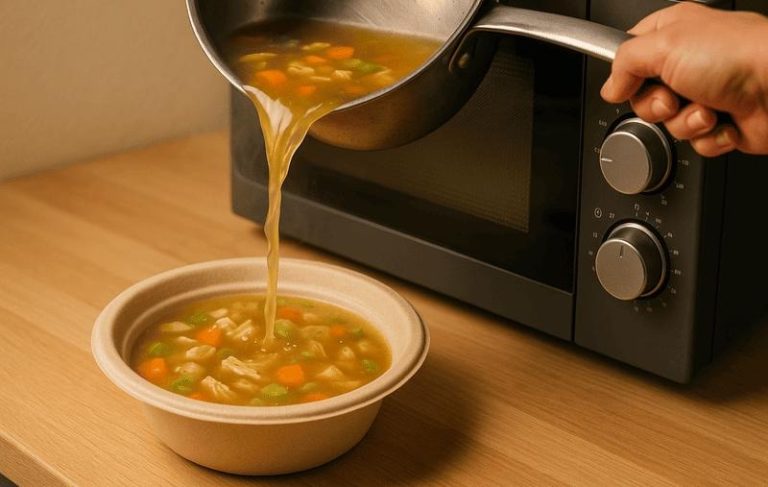
2. The entire process is fluorine-free plant coating, zero PFAS. It can hold hot oil and hot soup without spilling, and successfully passes the organic fluorine test.
3. It has FDA food contact safety qualifications, can withstand high temperatures, and supports microwave heating.
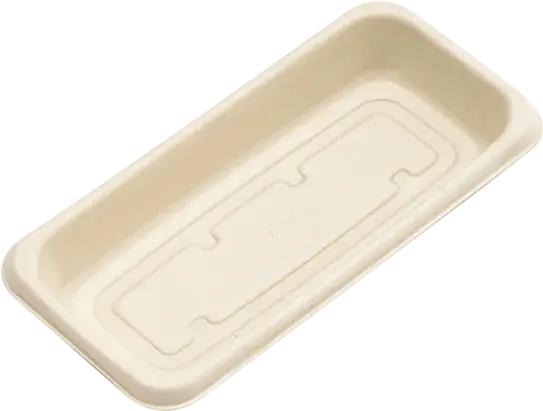
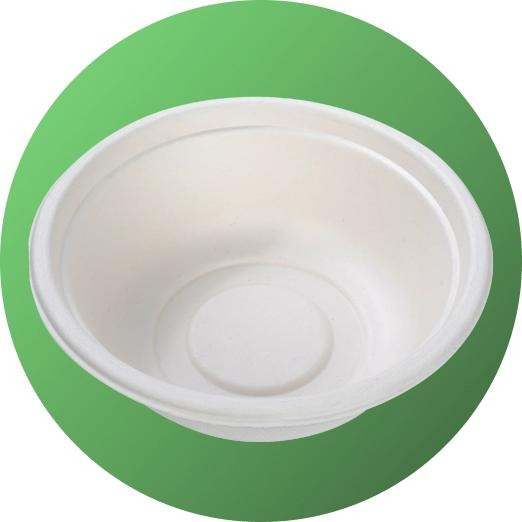
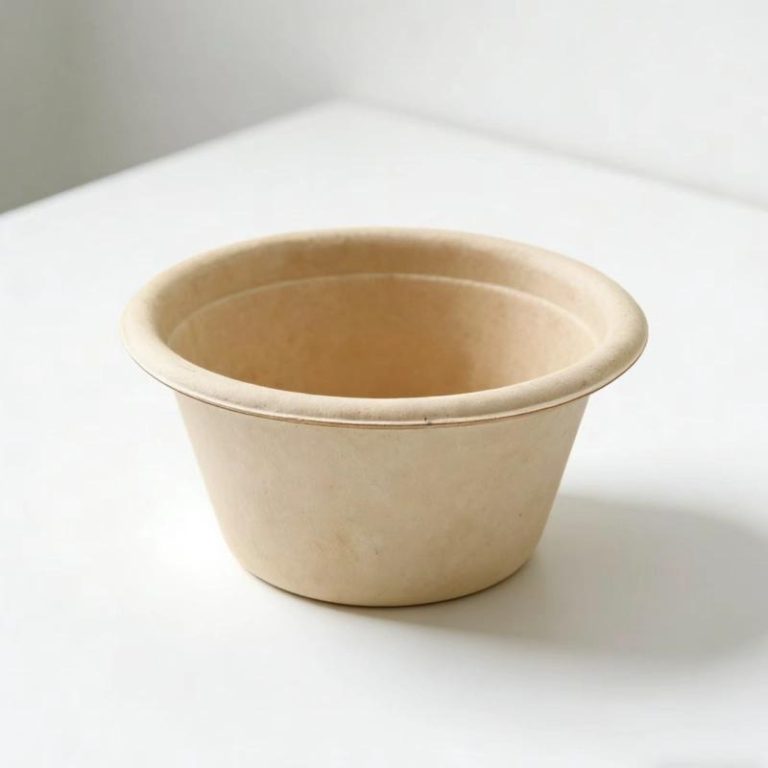
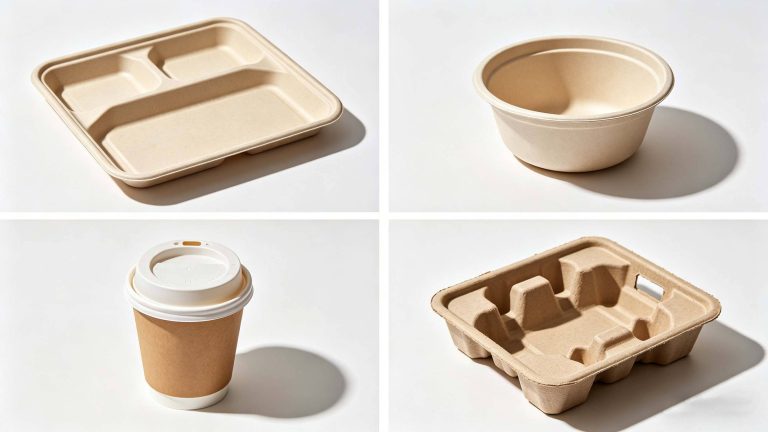
4. Complete styles, including round plates, deep soup bowls, and flip-top packaging boxes, etc.
5. Supports wholesale in full cabinets, suitable for offline catering purchases and Amazon cross-border e-commerce shipments.
Make sure to recognize the BPI certification mark – it is not just an ordinary logo, but an official symbol exclusively belonging to products and packaging that have passed the certification.