If you take a sip of what you believed to be a non-alcoholic beverage, only to discover that it actually does contain alcohol, this should not be harmful
Common adverse effects of Ozempic, as documented in the UK SmPC, include: Gastrointestinal symptoms : nausea, vomiting, diarrhoea, constipation, abdominal pain (very common, affecting more than 1 in 10 patients) Decreased appetite (very common) Hypoglycaemia : when used in combination with insulin or sulphonylureas Gallbladder disorders : including cholelithiasis and cholecystitis Fatigue Injection site reactions : such as bruising or pain Whilst musculoskeletal pain is not formally listed, healthcare professionals should remain vigilant for patient reports and consider the broader context of treatment, including weight loss trajectory, nutritional status, and concurrent medical conditions
A recent network meta-analysis of 117 RCTs contained estimates of the risk ratios of six separate GLP-1 RAs compared to seven separate DPP-4 inhibitors
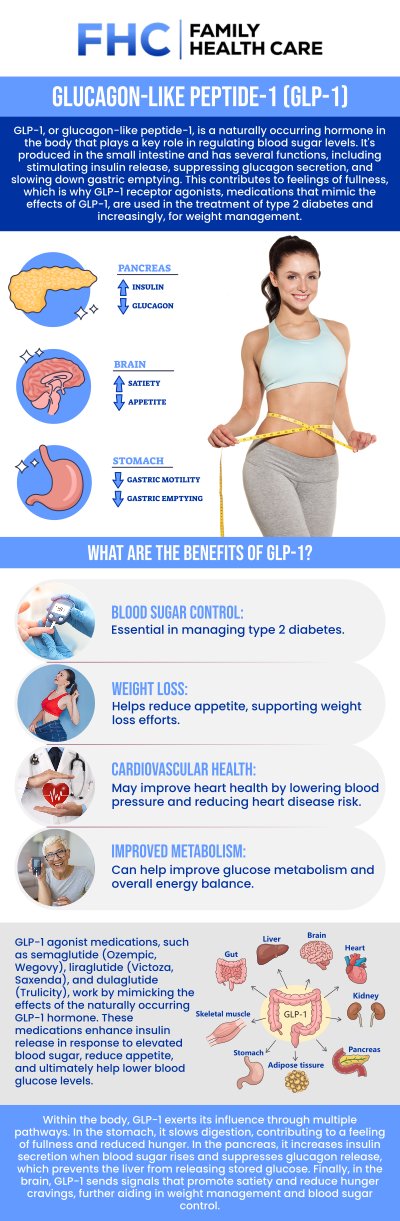
Strengthen Gut Barrier and Support Akkermansia A healthy mucosal barrier: improves GLP-1 sensitivity stabilizes inflammation strengthens metabolic hormone signaling improves insulin response These mechanisms help explain why Akkermansia muciniphila benefits are increasingly discussed in relation to gut barrier support, GLP-1 responsiveness, inflammation control, and long-term metabolic stability